Waste Hauling Software | Routing, Dispatch & Billing Automation
Fleet Technology for Large Waste Operations
Waste hauling software helps waste companies manage routing, dispatch, and billing in one connected system. As fleets grow, daily work becomes harder to track and control. Without structured waste hauling software in place, small issues quietly reduce profit.
Many operators still use separate tools for routes, invoices, and driver notes. As a result, key data remains divided across departments. Over time, that gap limits visibility in the field and slows decision-making.
A unified waste hauling platform connects those tasks into one dashboard. With shared updates across teams, managers act faster and resolve problems sooner. Because data flows in real time, service stays steady and costs remain clear.

Common Operational Challenges
As service areas expand, route planning becomes more complex. Therefore, waste management software helps teams stay organized and responsive.
Instead of reacting after mistakes occur, managers monitor activity in real time. In addition, hauling dispatch software sends route updates directly to drivers. Consequently, missed pickups decrease.
Digital confirmation tools within waste hauling software reduce disputes and improve service records. For example, drivers can log stops instantly. As a result, reporting stays accurate and customer trust grows.
Smarter Routing and Dispatch Control
Fuel and labor costs affect every fleet. For that reason, smart routing inside waste hauling software evaluates stop density, truck capacity, and street layout. The result is shorter routes and better balance.
Dispatch dashboards show truck location and job status throughout the day. Meanwhile, route data feeds directly into the waste hauling platform for live oversight.
Mobile tools built into refuse collection software replace paper logs with digital confirmations. In turn, office teams spend less time correcting paperwork.
Integrated Billing and Financial Oversight
Late invoices slow cash flow; however, built-in billing inside waste hauling software keeps payments on schedule. Recurring invoices reduce manual work and improve speed.
Because service verification connects directly to accounts, waste operations software keeps billing accurate. As a result, finance teams spend less time fixing errors. Furthermore, revenue tracking becomes easier.
Clear reporting tools within the waste hauling platform support pricing reviews and contract decisions. Therefore, leaders can plan growth with confidence.
Improving Route Density and Efficiency
Route density drives profit across hauling fleets. Refuse collection software identifies overlap and thin zones in service areas. Then managers adjust routes using real performance data.
Over time, steady refinements within waste hauling software reduce wasted miles and stabilize labor hours. As a result, revenue per route increases.
Compliance and Record Management
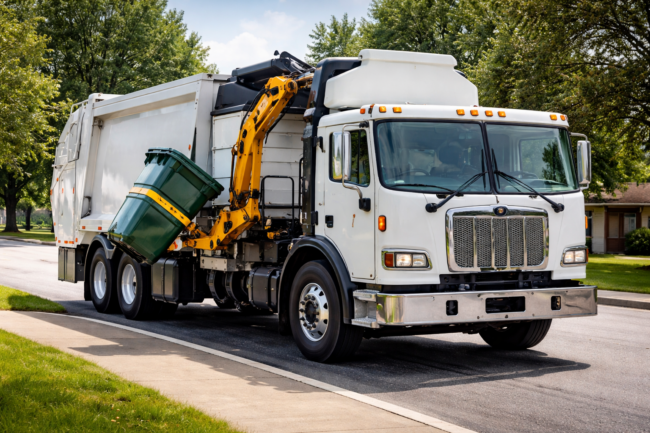
City and commercial contracts require documented service proof. Waste hauling software stores digital records for every completed stop. Therefore, audits and service checks become easier to manage.
For national waste data and reporting trends, review the EPA municipal solid waste data resource. In addition, staying informed supports smarter planning.
Scalable Growth Through Data Visibility
Growth should be controlled and measurable. Waste operations software provides dashboards that track route results, truck usage, and contract value. As a result, leaders expand territory with confidence.
Because performance data feeds directly from waste hauling software, routing, billing, and field work remain aligned. Ultimately, the system supports steady long-term growth.